The Quiet Revolution in Modern Healthcare Records
Healthcare is evolving faster than ever, and one of the most significant shifts is happening behind the scenes—how patient information is recorded, stored, and accessed. Gone are the days of illegible handwriting and misplaced paper files. Today, digital tools are redefining efficiency, accuracy, and patient care. Among these innovations, clinical documentation software stands out as a transformative force, helping healthcare providers streamline workflows while enhancing the quality of care.
Why clinical documentation software Is Changing the Game
At its core, clinical documentation is about capturing patient data accurately and efficiently. However, traditional methods often lead to errors, duplication, and wasted time. This is where clinical documentation software becomes indispensable.
By automating routine tasks, these systems allow healthcare professionals to focus more on patients and less on paperwork. Doctors and nurses can quickly input, retrieve, and update patient records in real time, ensuring that critical information is always accessible when needed.
Moreover, these platforms often integrate seamlessly with other healthcare systems, such as billing and scheduling tools. This interconnected approach reduces administrative burdens and minimizes the risk of human error. The result is a smoother, more coordinated healthcare experience for both providers and patients.
How clinical documentation software Improves Patient Outcomes
One of the most compelling benefits of clinical documentation software is its direct impact on patient care. Accurate documentation ensures that every healthcare provider involved in a patient’s journey has access to consistent and up-to-date information.
This leads to better diagnosis, more effective treatment plans, and fewer medical errors. For instance, automated alerts can notify clinicians about potential drug interactions or allergies, adding an extra layer of safety.
Additionally, these systems support evidence-based decision-making. By analyzing patient data and trends, healthcare professionals can make more informed choices, ultimately improving outcomes and patient satisfaction.
Key Advantages Worth Noting
While the benefits are extensive, here is one concise list that highlights the most impactful advantages:
- Improved accuracy, faster documentation, enhanced compliance, better communication, and increased efficiency across healthcare teams.
Beyond these points, the real value lies in how these systems adapt to the unique needs of different healthcare settings, whether it’s a small clinic or a large hospital network.
The Human Side of Digital Transformation
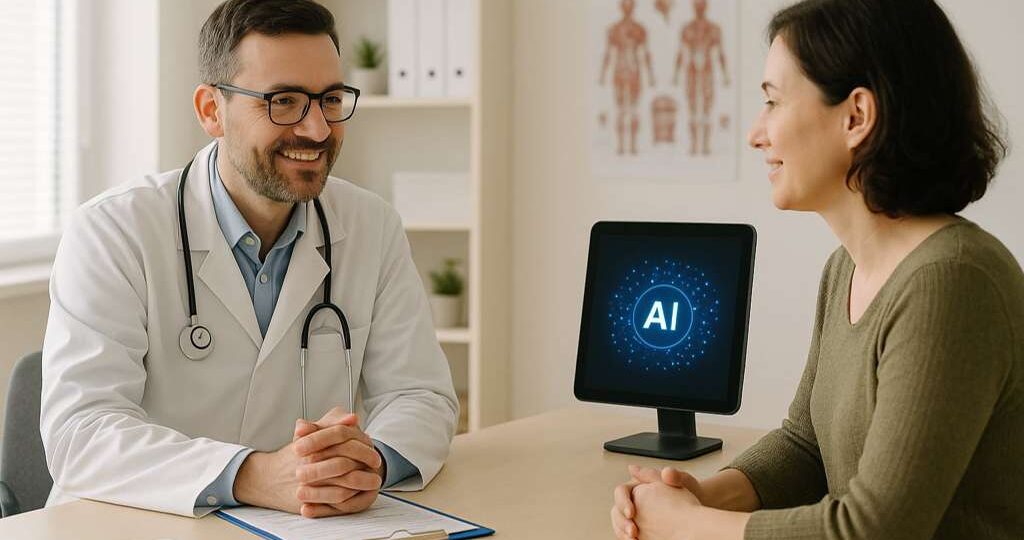
Technology often gets a reputation for being cold or impersonal, but in this case, it actually brings a more human touch to healthcare. By reducing time spent on administrative tasks, clinicians can dedicate more attention to patient interaction.
Imagine a doctor who no longer has to spend hours after work updating records. Instead, they can focus on meaningful conversations, building trust, and delivering compassionate care. That’s the true promise of digital documentation tools.
Furthermore, patients themselves benefit from increased transparency. Many systems allow patients to access their own records, fostering a sense of involvement and empowerment in their healthcare journey.

clinical documentation software
Looking Ahead: The Future of Healthcare Documentation
As technology continues to advance, clinical documentation software will only become more sophisticated. Features like voice recognition, artificial intelligence, and predictive analytics are already being integrated into modern systems.
These innovations will further reduce manual input, enhance accuracy, and provide deeper insights into patient health. The future points toward a healthcare ecosystem where documentation is not just a record-keeping task but a powerful tool for proactive care.
Conclusion
The shift toward digital solutions in healthcare is not just a trend—it’s a necessity. Clinical documentation software is at the forefront of this transformation, offering a smarter, more efficient way to manage patient information.
By improving accuracy, saving time, and enhancing patient care, it empowers healthcare providers to do what they do best: care for people. As adoption continues to grow, this technology will play an even more vital role in shaping a healthier, more connected world.