Why Forensic Video Analysis Software Is Essential for Modern Investigations
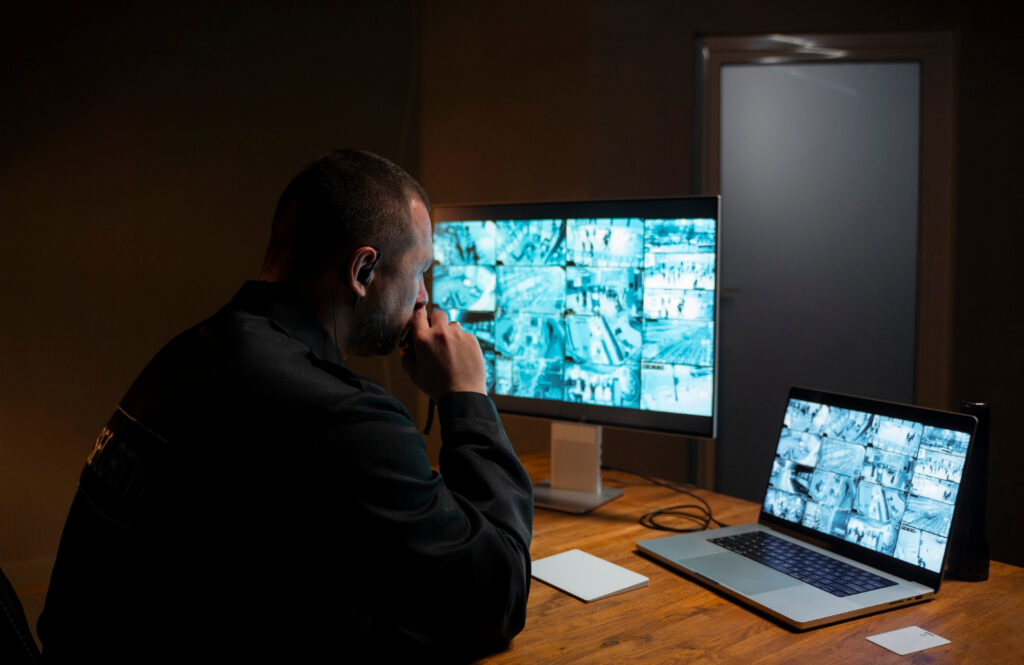
Digital video evidence has become a key thing in investigative work across law enforcement, security operations, and forensic examination. Surveillance systems, body cameras, phone devices, and traffic monitoring setups keep generating footage that later might turn into valuable evidence. But with the volume rising, and the recordings getting more complex every year , investigators need tools that can process and read digital footage in a pretty efficient way. That’s where advanced Forensic Video Analysis Software kind of matters, because it helps people manage and examine video evidence accurately, without going in circles.
Modern forensic systems usually come with integrated workflows that help with evidence acquisition , enhancement, synchronization, and reconstruction, but they also try to keep the original recording integrity intact, which is not a small detail.
The Growing Complexity of Video Evidence
Video evidence now rarely means one single source or one clean format. Investigators often end up dealing with footage from several systems, running at different resolutions and frame rates. CCTV footage can include multiplexed camera feeds, while mobile devices and digital recorders sometimes rely on proprietary compression methods, which makes life annoying for the average viewer.
Trying to handle all those formats using standard playback tools can be hard, slow, and kind of time consuming. Advanced Forensic Video Analysis Software eases this by supporting a broad range of surveillance and digital recording formats in one unified forensic space.
That also lets investigators spend more time on evidence interpretation rather than wrestling with format compatibility, or dealing with technical conversion headaches.
Streamlining Investigative Workflows
In older approaches, video examination tends to be a chain of disconnected steps, like acquisition, conversion, synchronization, enhancement, and review. These broken pieces can stretch timelines, and raise operational complexity, sometimes a lot.
Newer forensic systems bring these functions together into one centralized workflow. Investigators can capture, process, and examine footage inside the same environment. So delays drop, and overall efficiency tends to improve as well.
This kind of integration supports stronger video forensic analysis because people can work faster , and keep consistent evidence handling across the whole investigative process.
Preserving Evidence Integrity
Keeping the original quality of video evidence is essential during forensic examination. Any unnecessary change, or extra degradation from processing may hurt reliability and credibility.
Professional Forensic Video Analysis Software supports controlled acquisition methods that preserve frame accuracy and keep synchronized audio aligned , while also limiting data loss. Lossless workflows help ensure the footage stays consistent with the original source material, not like “kind of similar” but not the same.
When evidence integrity stays protected, investigators can carry out video forensic analysis with more confidence , and their findings remain dependable.
Multi-Channel Synchronization and Review
A lot of incidents are recorded at the same time by multiple cameras, often placed across different locations. If recordings are reviewed separately, it can become difficult to reconstruct the real sequence of events.
Advanced forensic systems provide synchronized multi-channel playback, so investigators can compare several camera angles within one shared timeline. This improves situational awareness, and gives better context while reviewing evidence.
The ability to examine synchronized recordings increases the overall effectiveness of investigations, and it supports more accurate interpretation of what actually happened.
Enhancing Difficult Footage
Surveillance footage is not always captured in ideal conditions. Low resolution, compression artifacts, weak lighting, and motion blur can reduce visible detail and make analysis harder to do.
Modern Forensic Video Analysis Software includes enhancement tools that increase visibility, and refine image clarity while trying not to damage evidence quality. With these tools investigators can examine objects , movements, and individuals more clearly even in problematic recordings.
Better, enhanced footage generally leads to more reliable video forensic analysis and supports deeper investigative review.
Flexible and Modular Processing
Not every case needs the exact same analysis. Some investigations focus on stabilization and enhancement, while others lean toward calibration, synchronization, or reconstruction.
Modular forensic systems let investigators set up workflows in a flexible way, using specialized processing tools and analysis functions. This means professionals can adjust the workflow based on how complex the case is , and what requirements show up.
Customized workflows can improve efficiency, while still supporting a broad range of investigative applications.
Camera Calibration and Spatial Accuracy
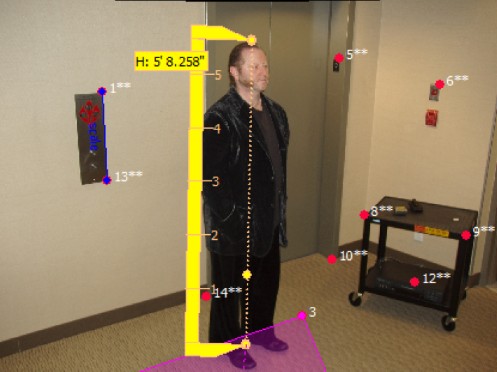
Camera positioning and lens properties can introduce distortions that affect measurements and how space is interpreted inside captured footage.
Advanced forensic environments include calibration and correction tools that restore more accurate image geometry. Fixing lens distortion improves analytical precision, and supports more dependable reconstruction and measurement tasks.
These capabilities are especially useful when investigations include positioning analysis, or scene reconstruction activities.
Integrating Video with Digital Investigation Data
Today many investigations mix video evidence with additional digital resources like photographs, spatial models, and scene mapping data.
Integrated forensic systems support workflows that combine multiple types of evidence into one unified analytical environment. This deepens investigative understanding, and helps professionals reconstruct events with more accuracy.
When multiple evidence sources connect smoothly, the scope of video forensic analysis expands , and investigations can become more comprehensive overall.
Conclusion
As digital evidence continues to expand in volume and complexity, investigators require systems capable of handling advanced processing and analytical tasks efficiently. Professional Forensic Video Analysis Software helps streamline investigative workflows while preserving the integrity and reliability of recorded evidence.
With capabilities such as synchronized playback, enhancement tools, modular processing, and calibration functions, these systems improve the effectiveness of video forensic analysis across a wide range of investigative scenarios.
By combining flexibility, precision, and advanced processing capabilities, modern forensic platforms continue to strengthen how investigators interpret and analyze digital video evidence.